Episode 4 - Babies, Birth & Child Spacing
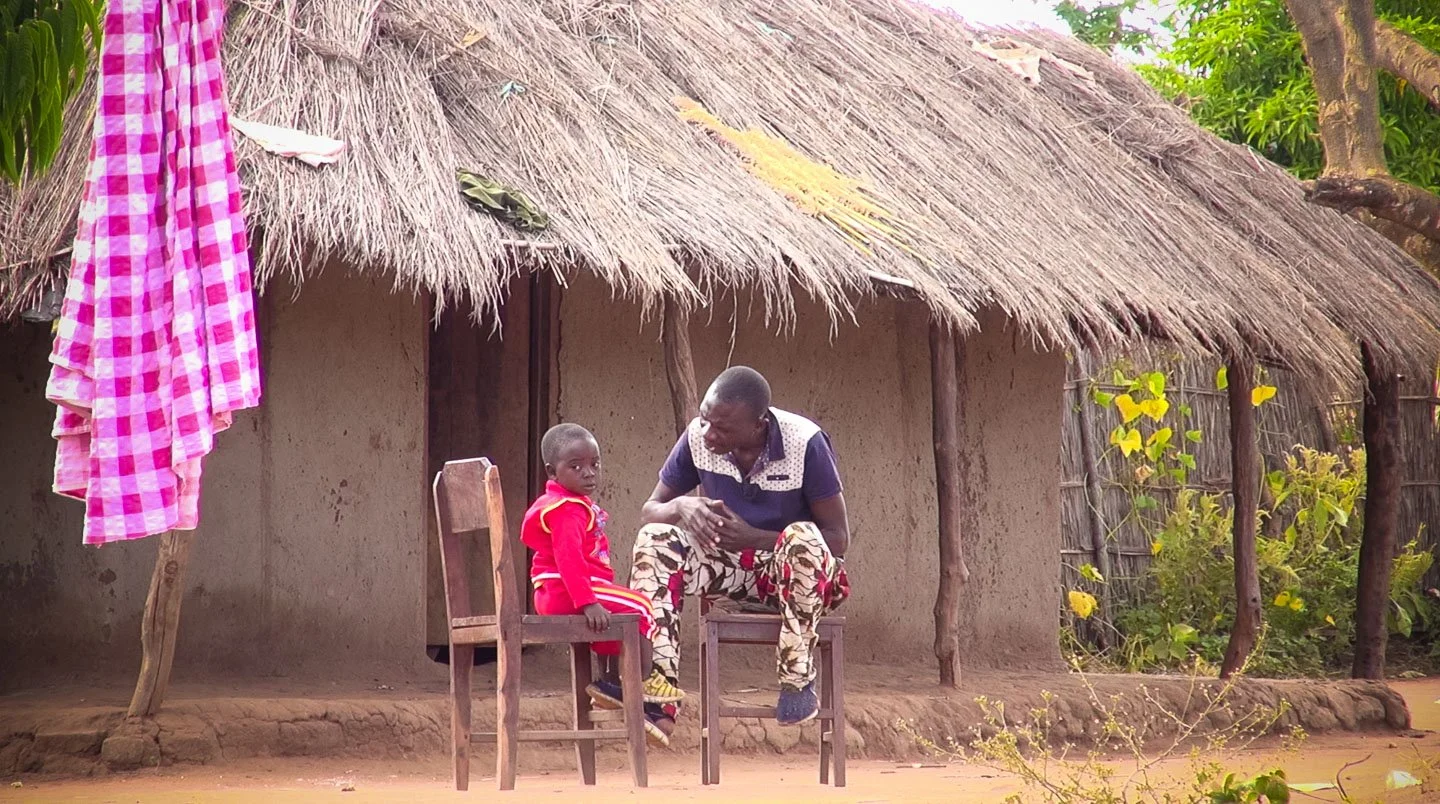
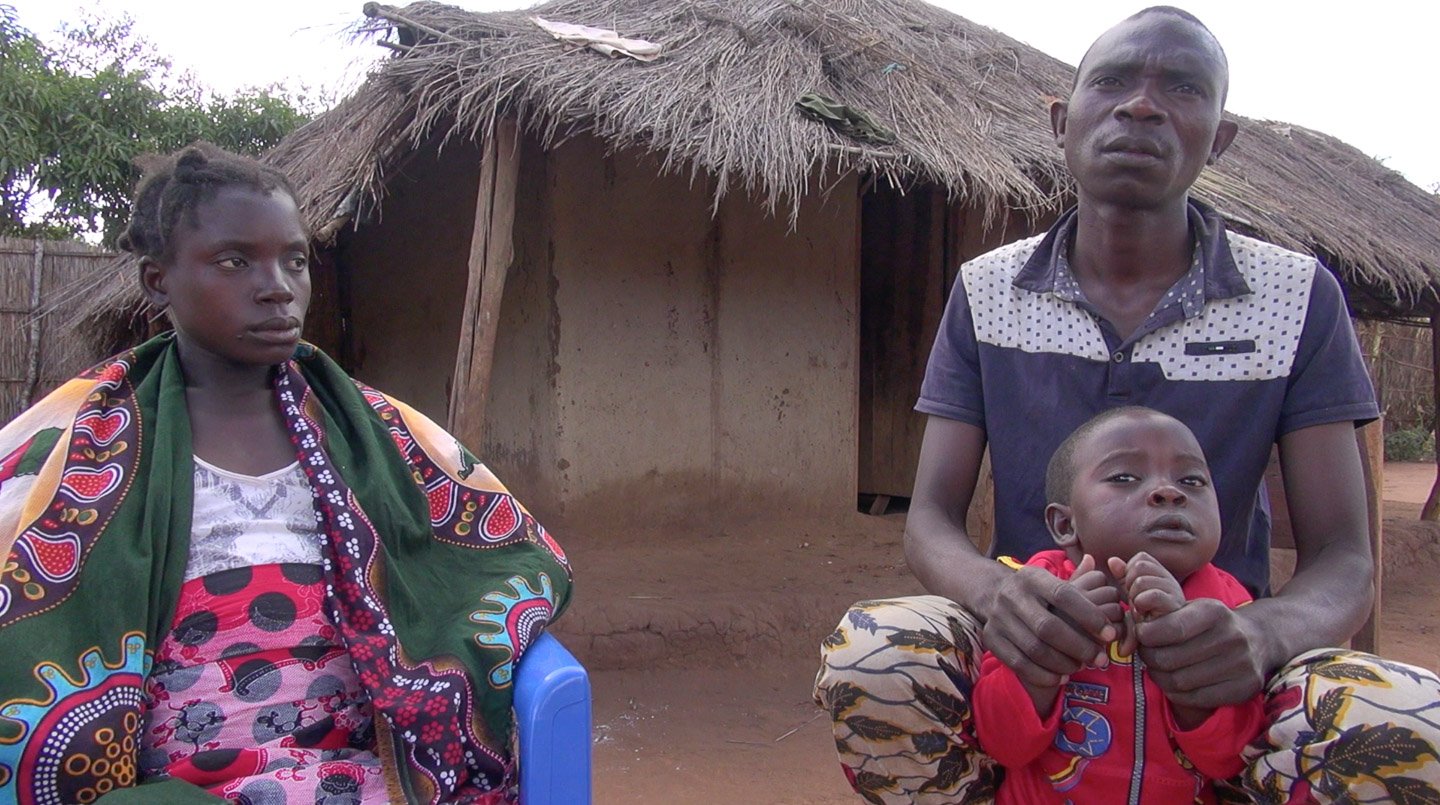
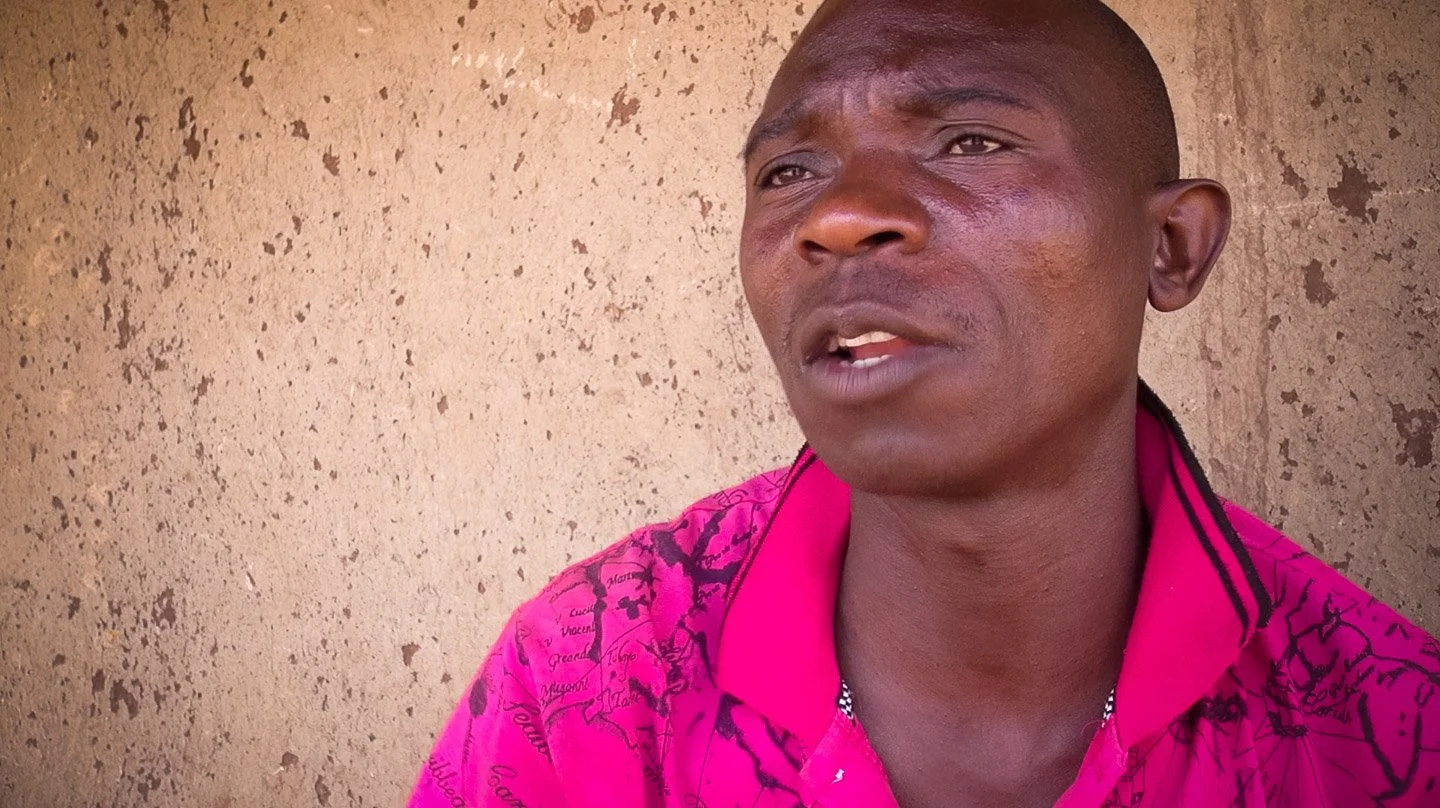
Mayin’gina Joao is pregnant. Her husband, Sergio Alberto, plans to take her to the hospital when she is ready to give birth.
But, the hospital is not the only option that he considers for health-related decisions. He might purchase medicines from an ambulatory vendor, consult with a medic practicing Chinese medicine, or visit an herbalist. After the baby is born, Sergio also places a medicated string around the child’s waist for protection, and abstains from sexual relations with his wife to avoid maladies unknown to biomedicine called lwaso and cinyela.
In Ciyawo with English subtitles uploaded to YouTube. Select other languages for auto translation options.
Viewing Guide
Prepared through a combination of Claude.ai use with input from Arianna Huhn, California State University San Bernardino. Email: ahuhn@csusb.edu
-
Mayingina Joao is pregnant. Her husband, Sergio Alberto, plans to take her to the hospital when she is ready to give birth. But, the hospital is not the only option that he considers for health-related decisions. He might purchase medicines from an ambulatory vendor, consult with a medic practicing Chinese medicine, or visit an herbalist. After the baby is born, Sergio also places a medicated string around the child’s waist for protection, and abstains from sexual relations with his wife to avoid maladies unknown to biomedicine called lwaso and cinyela.
-
The film is a documentary-style portrait of maternal and child health beliefs and practices among the Yawo people of Mandimba, a town in Mozambique's Niassa Province, near the Malawian border. It is built from candid interviews and observational footage gathered at a government clinic, in homes, and in the community.
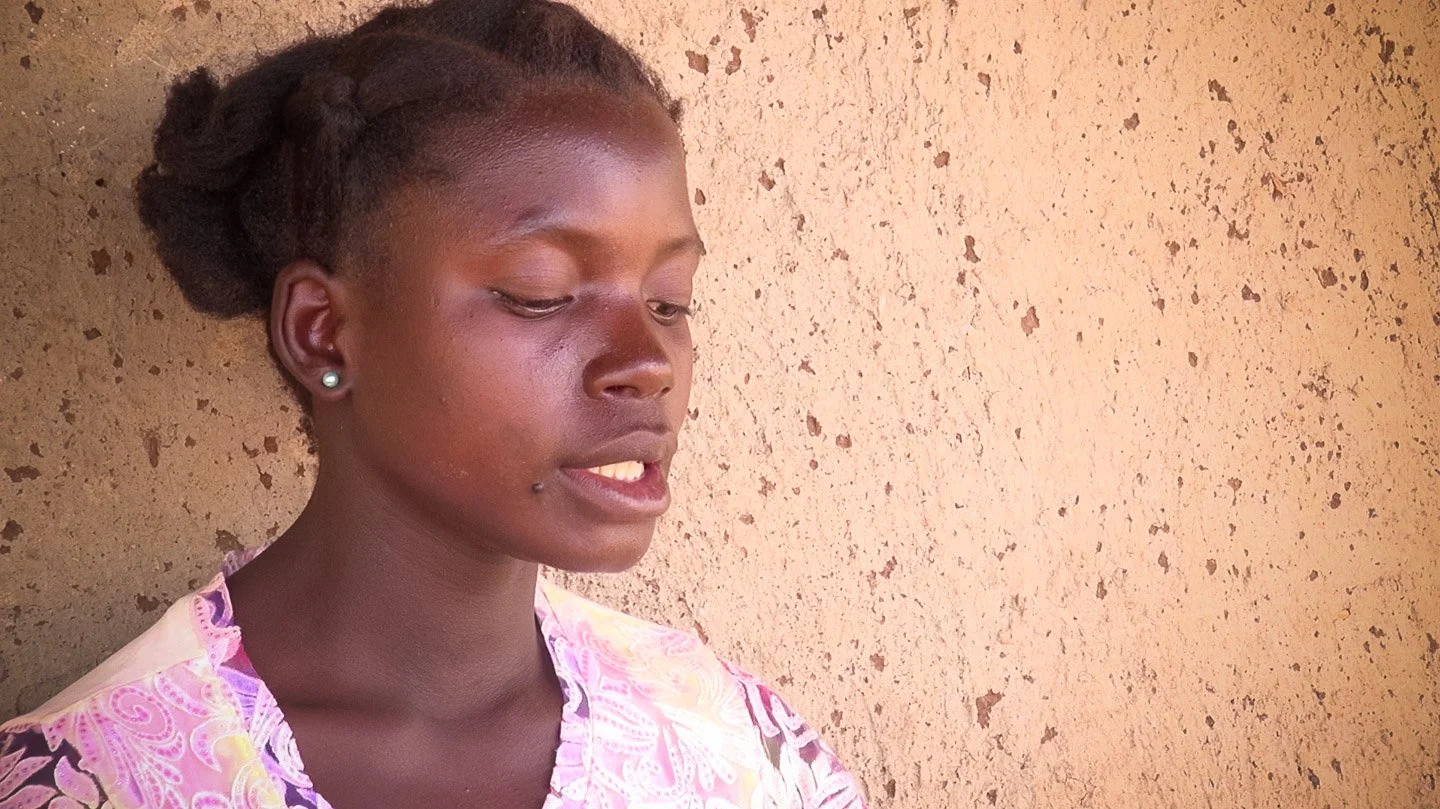
The film opens with a visit to the government health clinic, where a woman recounts a recent positive birth experience as she is present for a baby checkup at the 4 month mark. Clinic staff move through their routines. The mood is matter-of-fact and warm, establishing the government hospital as a presence in community life — imperfect but used.
From there the film expands outward, layering in the wider ecosystem of healthcare that surrounds the clinic. Speakers describe a tiered system: when the hospital is closed or unaffordable, people buy medicine from market vendors or pharmacy stalls. Some cross the border into Malawi to a hospital believed to offer stronger medicine — a belief the speakers themselves gently debate, concluding the medicine is probably the same but the perception persists. Traditional healers occupy the final tier, sought when biomedicine fails, and visited in secret to avoid social judgment.
The heart of the film is a sustained conversation about postpartum belief and practice. Male speakers explain the Yawo understanding that a man must abstain from sex with his wife for seven to twelve months after birth. Contact with postpartum blood is believed to cause lwaso — a physical illness with flu-like symptoms. Resuming sex too early is believed to cause cinyela in the father, a wasting disease marked by weakness, dry skin, craving for meat, and nosebleeds, considered chronic and incurable at the hospital. It is also believed to harm the older child, making them weak and sickly. The community term for this is cikasi — the social recognition that a man has broken the rule when his baby falls ill.
Speakers are candid that many men don't follow the abstinence rule, seeking sex outside the marriage during this period. Views differ on whether extramarital sex itself harms the baby or whether it is the early return to the wife that is the danger (or maybe both). The elders' advice is cited throughout as the authoritative source of these beliefs.
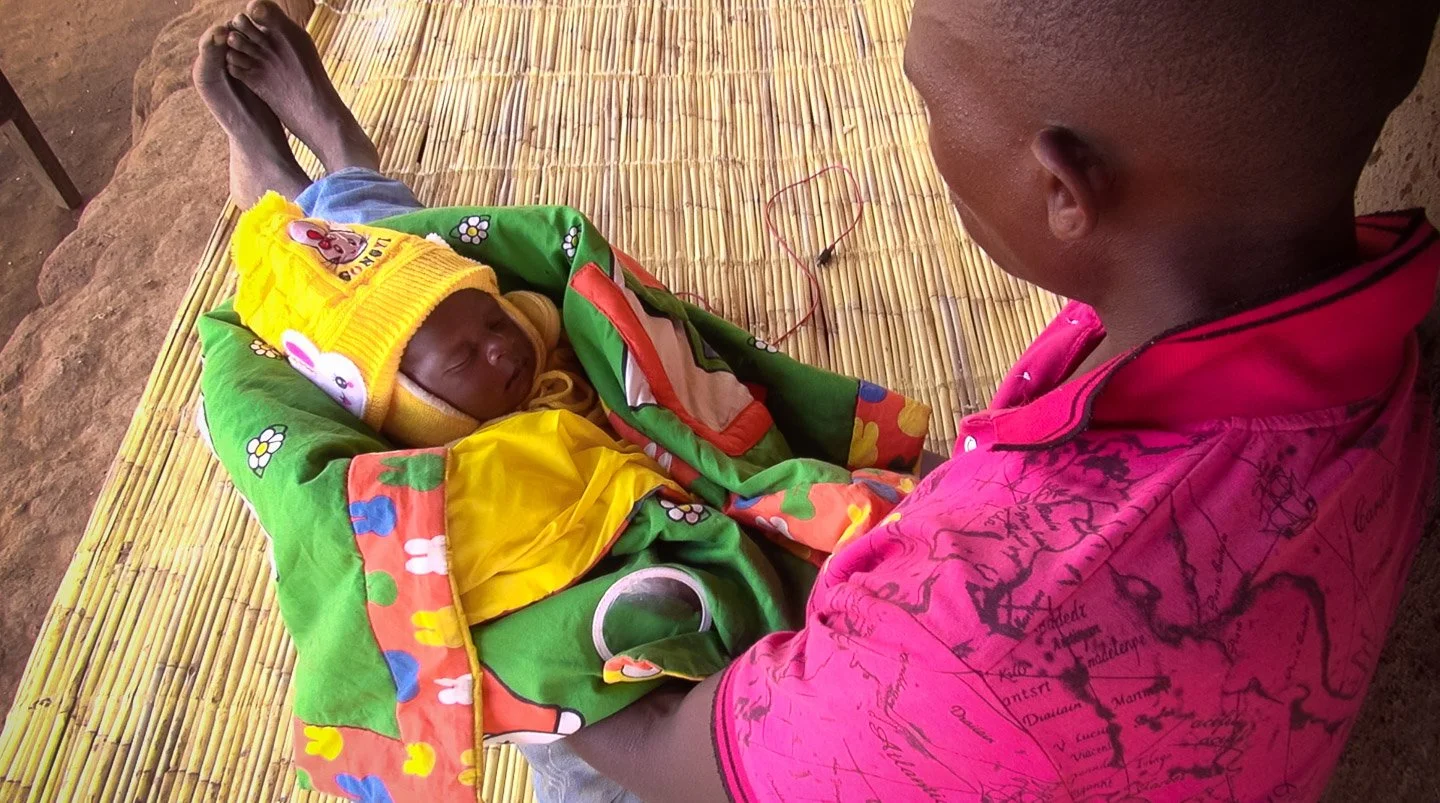
The film also documents newborn protective practices — medicated strings tied around infants' necks and waists, and in some cases small charm pouches sewn with medicine inside — and traces their authority back to elder instruction and informally trained healers. Speakers discuss traditional healers with nuance: they are legitimate, trained, and necessary, but are visited outside of one’s immediate home village to preserve secrecy.
The film closes on a lighter note, with a mother describing how her older son Joaquim reacted to the new baby — demanding to know where he came from, wanting to hit him — before gradually accepting his younger brother.
The overall effect is of a community navigating between multiple systems of knowledge — biomedical, traditional, and spiritual — with pragmatism and without apparent contradiction. The film neither romanticizes nor criticizes; it observes and lets speakers explain their world in their own words.
-
Ambulatory vendor — an informal mobile seller of medicines or goods operating outside licensed pharmacy settings; in the video, market stalls and street vendors filling the gap when formal healthcare is unavailable or unaffordable
Vernacular illness — a disease category that exists within a local cultural system but has no direct biomedical equivalent; cinyela and lwaso are examples — real, named, and socially recognized conditions that hospitals cannot diagnose or treat
Child spacing — the deliberate practice of managing the interval between births for the health of mother and child; in this community achieved through postpartum sexual abstinence as well as formal contraception provided at the local clinic
Traditional medicine — healing practices rooted in cultural, ancestral, or spiritual knowledge rather than biomedical science; includes herbal preparations, incisions with salves, and medicated objects
Chinese medicine clinic — a non-Western alternative medical practice present even in rural Mozambique, illustrating the layered and sometimes surprising mix of healthcare options available in Global South communities
Healthcare-seeking hierarchy — the ordered sequence in which a community pursues treatment; in this video: government hospital → market vendor → private pharmacy → cross-border hospital → traditional healer
Postpartum taboo — a culturally enforced restriction on behavior following childbirth; here specifically the prohibition on sexual intercourse, believed to protect both the father and the older child from illness
Explanatory model — the framework a patient uses to understand the cause, course, and appropriate treatment of their illness; often differs significantly from the biomedical model a clinician operates from
Ritual protection — the use of objects, substances, or practices to guard a person (often a newborn) from spiritual or physical harm; distinct from medical prevention in that it operates through symbolic or spiritual rather than pharmacological means
Perceived efficacy — the belief that a treatment works, independent of whether it is pharmacologically active; drives community members across the border for medicine believed to be "stronger" even though it is not well understood if there is a chemical difference.
Covert fertility management — the practice of women independently controlling their reproductive outcomes without a partner's knowledge; in this video through herbal preparations, representing a significant layer of female agency within an outwardly patriarchal structure
Dual use healthcare — the pattern of patients simultaneously or sequentially using both biomedical and traditional systems, often without disclosing one to the other
Questions for Medical Professionals
These questions are intended as a starting point for group discussion or personal reflection. They do not represent an exhaustive account of Yawo health beliefs and practices. Clinicians are encouraged to ask patients directly about their explanatory models of illness.
-
[5:45 – 8:38] The speakers describe a layered system of healthcare: government hospital → market medicine vendors → private pharmacy → Malawian hospital → traditional healers. How does this sequence compare to what you might assume about your patients' help-seeking behavior? What are the risks and what should you ask to find out where a patient has already sought care?
Clinical note: Patients may have already received informal or traditional treatments before arriving at your clinic. Ask specifically: "Have you taken anything for this already? Did you visit anyone else first?"
-
[7:11 – 7:52] Community members report preferring medicine from a hospital across the border in Malawi, believing it to be stronger — even when they cannot prove their is any chemical difference. What does this tell us about the role of perceived efficacy vs. actual efficacy in treatment adherence? What are the preferred sources for medicine that are believed to be the “strongest”? How might this belief affect whether a patient completes a course of medication you prescribe?
Clinical note: Explaining why a medicine works — not just what it does — may help counter perceptions that local or generic medications are inferior.
-
[4:44 – 5:20] Among the Yawo people, fathers are culturally excluded from the delivery room unless special arrangements are made and staff are ‘thanked appropriately’. How should maternity staff navigate a patient's cultural norms around birth attendance when those norms conflict with hospital policy or your own assumptions about family-centered care?
Clinical note: Never assume a father's absence signals disengagement. Asking "Who would you like with you?" is more culturally neutral than assuming a partner should be present.
-
[11:25 – 12:43] Speakers describe a belief that sexual intercourse too soon after birth is physically dangerous to both the father (causing lwaso/cinyela) and the older child. This belief functions as a natural child-spacing mechanism. How might you engage respectfully with a patient who holds this belief during postpartum or family planning counseling — without dismissing it or undermining trust?
Clinical note: This belief, while not biomedically accurate, produces a real public health benefit (birth spacing). Acknowledge its intent before introducing contraceptive alternatives.
-
[13:48 – 14:32] Cinyela is described as a culturally-specific illness — caused by breaking postpartum sexual taboos — that presents with symptoms including weakness, dry skin, craving for meat, and nose bleeds. Patients are told it cannot be cured at a hospital. How should a clinician respond when a patient presents with these symptoms and attributes them to cinyela or a similar concept to your context? What are the diagnostic risks of dismissing a cultural illness explanation outright?
Clinical note: Symptoms attributed to cinyela may overlap with malnutrition, anemia, or STIs. A culturally humble response explores both the biomedical and the patient's explanatory model simultaneously.
-
[9:00 – 9:41] Community members explain that they prefer to visit traditional healers far from home to maintain secrecy, fearing judgment or social stigma. If patients are concealing traditional treatment from you for similar reasons, what clinical and safety risks does this create? How can you build enough trust that patients feel safe disclosing concurrent traditional treatments?
Clinical note: Some traditional treatments — including herbal preparations or incisions with topical salves — can interact with medications or introduce infection risk. Non-judgmental, explicit permission-giving ("Many of my patients also see traditional healers — it's helpful for me to know") increases disclosure.
-
[9:47 – 11:06] Newborns in this community may wear medicated strings or small charm pouches around the neck or waist. A speaker clarifies these are not decorative but have a protective medical purpose in the community's understanding. How should clinicians assess and document items on a patient's body that have cultural or spiritual significance? What would respectful clinical practice look like?
Clinical note: Strings or cords around an infant's neck may warrant a safety assessment, but removal without explanation can damage trust. Ask about meaning before acting.
-
[16:54 – 17:22] A speaker describes women using herbal substances to prevent pregnancy without their partner's knowledge — and men only suspecting because pregnancy doesn't occur for a year or two. What are the implications for reproductive health counseling if a female patient is managing her own fertility secretly? How do you provide care that respects patient autonomy while also considering household dynamics that may affect disclosure or safety?
Clinical note: Consider whether contraceptive counseling should always involve a partner, and recognize that for some patients, private access to family planning is a matter of safety, not just preference.
-
[6:43 – 7:10] Speakers describe the cost difference between a government hospital visit (6 Metacais, ~$0.10 USD) and a private pharmacy (200–300 Metacais, ~$5–8 USD). Despite this, some patients choose more expensive options out of perceived quality. How does economic context shape where your patients seek care, what treatments they complete, and what they tell you? How should cost factor into your treatment planning and prescribing decisions?
Clinical note: Always ask about access to medications before prescribing. A treatment plan that is not affordable will not be followed.
-
[4:00 – 4:42] Sergio notes that this pregnancy — with regular antenatal visits — has gone better than previous ones, including one that ended in a newborn death. He connects the improved outcome to consistent hospital care. How can this kind of patient-perceived success story be used to build ongoing trust in preventive and antenatal care in communities that may be skeptical of biomedical institutions?
Clinical note: Patients who have experienced both systems are valuable voices in community health education. Positive reinforcement of past healthcare decisions encourages future engagement.
Debate:
Personally, what do you do to maintain or improve your health?
Healthcare Access & Systems
Should governments regulate the sale of medicine at informal market stalls, or does that regulation do more harm than good in communities where the formal system is inaccessible?
What are the ethics for patients to travel across international borders for healthcare when the government may be the main service provider?
Who bears responsibility when a patient is harmed by medicine purchased from an unlicensed vendor — the vendor, the government, or the patient?
Traditional Medicine & Biomedical Authority
Should traditional healers be integrated into formal healthcare systems, or does institutionalizing them undermine both systems? (Research AMETRAMO specifically in Mozambique).
When a patient believes their illness has a spiritual cause, is a medical provider obligated to engage with that belief, or only with the presenting symptoms?
Does "perceived efficacy" count as real efficacy? If a patient recovers believing a treatment worked, does it matter whether it was pharmacologically active?
Culture, Belief & Personal Freedom
At what point, if ever, does a deeply held cultural belief about health become a public health problem that outside agencies have a right to address?
Is it paternalistic for foreign medical or religious workers to challenge traditional practices like protective charms on newborns, or is it their obligation?
Should women have the right to manage their own fertility privately, without a partner's knowledge or consent?
Child Welfare & Community Norms
The postpartum abstinence belief functions as a natural child-spacing mechanism with real health benefits. Does the fact that a belief produces good outcomes make it worth preserving, even if its underlying reasoning is not scientifically accurate?
Who has the greater responsibility for child health outcomes — the individual family, the community, or the healthcare system?
Knowledge, Authority & Change
When elder authority and medical evidence conflict, which should a community member follow — and who gets to decide?
Is oral tradition a reliable enough foundation for health practice, or does written, evidence-based medicine always supersede it?
Can outside development workers, missionaries, or healthcare professionals ever truly understand a community well enough to recommend changes to its practices?
Questions for Christian Cross-Cultural Workers
The community portrayed in this video inhabits a thoroughly spiritual world. Illness, protection, fertility, and death are not random or merely biological — they are understood through a lens of spiritual forces, ancestral wisdom, taboo, and power. For the missionary, this is both a profound challenge and a remarkable bridge.
These questions are designed not to generate easy answers but to help cross-cultural Christian workers think carefully about where the gospel confronts this worldview, where it fulfills it, and how to enter it with wisdom, humility, and courage. Timestamps reference the video for easy review. These questions are meant to provoke thoughtful reflection, not to prescribe missiological method. Missionaries are encouraged to hold these topics with both theological conviction and genuine cultural curiosity. The goal is not to win arguments but to make disciples.
-
[9:47 – 11:06] Community members describe sewing small cloth pouches filled with medicine and tying them around a newborn's neck or waist to protect the child from illness and evil. Some families use only a "medicated string" for the same purpose. These items carry clear spiritual significance — they are believed to interact with the child's wellbeing and ward off harm. How would you approach a family whose baby is wearing such a charm? What is the difference between confronting the practice immediately and building a relationship first? What biblical principles guide that choice?
For reflection: Consider Matthew 10:16 — "wise as serpents, innocent as doves." Is this a hill worth dying on in a first conversation, or an opportunity to ask questions and earn trust before speaking?
-
[9:19 – 9:41] Speakers describe a belief that certain people possess the power to make others sick through medicine or curses, and that you must pay the same person to reverse it. This is not presented as folklore — it is a practical, transactional belief that shapes real healthcare decisions.
How do you engage with a worldview in which illness is caused by a personal spiritual enemy, not a pathogen? Where does this belief overlap with a biblical understanding of spiritual warfare, and where does it diverge in ways that matter for the gospel?
For reflection: A blanket dismissal of spiritual causation may actually distance you from the gospel bridge this belief provides. The question is not whether spiritual forces are real, but who has authority over them.
-
[13:48 – 14:32] Cinyela is described as a disease caused by violating the postpartum abstinence rule — essentially, breaking a community moral code results in physical suffering. The community recognizes it, diagnoses it socially, and regards it as largely incurable by Western medicine. This is a moral-physical causation framework with significant theological overlap: wrongdoing produces suffering.
How do you engage with this belief honestly — neither dismissing the moral seriousness of it nor reinforcing a works-based framework where suffering is always punishment for sin?
For reflection: John 9:1-3 is directly relevant here. Jesus explicitly rejects the idea that illness is always the result of personal sin. How does that passage become a conversation opener rather than a conversation stopper?
-
[8:25 – 8:54] When the hospital fails, community members turn to traditional healers — and this is presented not as a last resort born of desperation, but as a legitimate and expected step. Traditional healers are described as trained professionals who "receive gifts to survive."
In many African contexts, the healer occupies a role that is simultaneously medical, spiritual, and priestly. What are the missiological implications of working in a community where spiritual and medical authority are held by the same person? How does the gospel speak to both functions at once?
For reflection: The traditional healer is not simply a competitor to the hospital — they may be a competitor to Christian belief and practice. Understanding that dual role is essential for missionaries thinking about holistic ministry.
-
[9:00 – 9:25] Community members deliberately travel far from home to visit traditional healers so that neighbors won't know. There is clear social shame attached to being seen seeking that kind of help. This means that spiritual practices people genuinely believe in are being practiced in hiding — even within the community.
What does this secrecy tell you about the gap between public profession and private belief in this context? And how does it inform how you build trust with someone who may be presenting one face to you while holding very different beliefs privately?
For reflection: Shame-and-hiding dynamics are not unique to this culture — they are deeply human. How does the gospel speak to the person who hides what they believe because they fear judgment?
-
[11:25 – 11:56] Sergio explains that a man cannot have sex with his wife after birth because her blood is "poisonous" — contact with it causes immediate sickness. This is not merely a health precaution; it is a belief about the spiritual or ritual danger of postpartum blood. Blood-related purity beliefs are widespread across cultures and have deep roots in Levitical law. How do you engage with a community that holds a version of blood-purity belief? What continuity and discontinuity exists between this worldview and the biblical narrative — including the significance of Christ's blood?
For reflection: This is one of the most theologically rich bridges in the video. A community that understands blood as carrying power and danger is not far from understanding atonement — but the direction of that power is everything.
-
[15:58 – 16:14] Sergio states openly that when a wife is pregnant, a husband is permitted — by community norm — to have sex with other women, with the only caution being to avoid STDs. The elders discourage it for health reasons, not moral ones. This is presented matter-of-factly, not as a confession. How do you preach and teach a biblical sexual ethic in a context where polygamous norms and male sexual freedom are embedded in community life and not experienced as sinful? What is the difference between preaching against the practice and addressing the underlying anthropology?
For reflection: Paul's instruction in 1 Thessalonians 4:3-5 to "control your own body in holiness and honor, not in passionate lust like the Gentiles" assumes a transformation of desire, not just behavior. What does that transformation look like in this context?
-
[16:54 – 17:22] Women in this community are described as using herbal substances to prevent pregnancy without telling their husbands — with men left to guess that something is happening when pregnancy doesn't occur for years. This raises layered questions for a missionary: about gender dynamics and power, about deception within marriage, and about the ethics of contraception in a context where the church may have strong views.
How do you minister to women in a context where they exercise significant covert agency like this? And how do you address the ethics of deception in marriage without alienating the very people you are trying to reach?
For reflection: Proverbs 31 and the mutuality of 1 Corinthians 7 both assume a marriage where both partners have voice. What does discipleship toward that vision look like in a context where women have learned to operate in secret?
-
[11:10 – 11:24] When asked where these beliefs and practices come from, the answer is simply: "The elders have told us. We just follow their advice."
Elder authority is the epistemological foundation for most of the spiritual and medical beliefs in this video. This is a community in which tradition, not text, is the primary source of truth.
What are the challenges and opportunities of introducing Scripture as an authority in a context where authoritative truth flows through living elders? How do you honor that relational chain of transmission while also introducing a written Word that may challenge what has been passed down?
For reflection: The oral tradition structure is not foreign to Scripture — much of the Old Testament was transmitted this way. The question is not whether to use elders but whether elders can become disciplers of the Word rather than simply tradition-keepers.
-
[Throughout] Taken as a whole, this video presents a community that is thoroughly open to supernatural explanation of everyday events — illness, fertility, death, and protection are all understood through a spiritual lens. Nothing is merely biological or accidental.
This is, in many ways, the opposite problem from secular Western audiences. How does your faith-informed approach need to shift when you are not trying to convince people that the supernatural is real, but rather to reorient them toward the one true source of supernatural power and protection? What are the specific temptations and dangers of ministering in a context where people are spiritually open but undiscerning?
For reflection: Acts 17 shows Paul working with a spiritually-saturated culture (Athens) — acknowledging what they already sense before redirecting it. What is the "unknown god" in this community, and how does the gospel answer it?
Digging Deeper: Questions to spark further discussion about the film
Why is the seamless combination of biomedical and vernacular medicine so confounding to many viewers of this film from outside of the region?
Is it surprising that Sergio cannot explain why he uses the medicated string?
Did you notice that when the baby is older, being weighed, he is wearing a string around his waist while during the newborn interview Sergio points out that they are only using a string around his neck? What might explain this change?